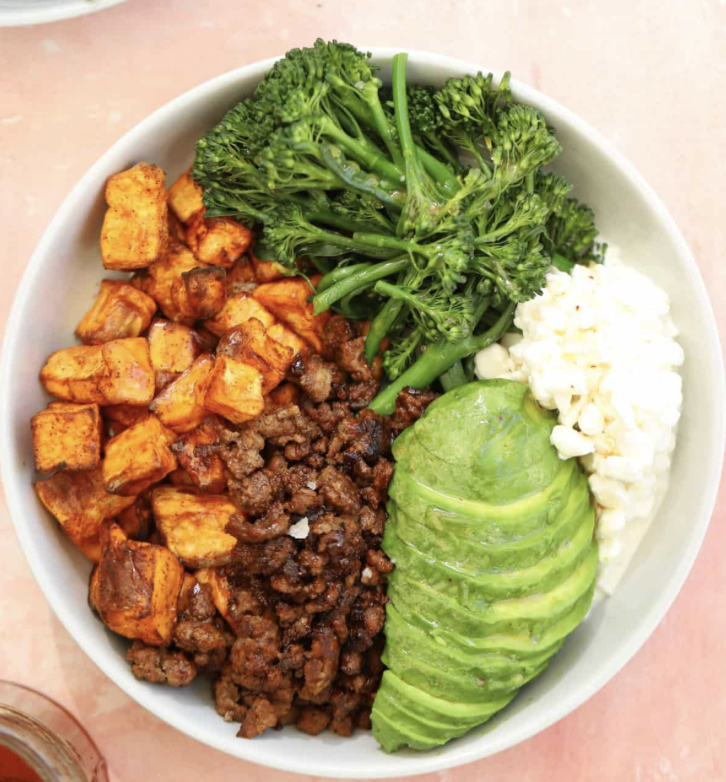
Nourishing Your Baby, Caring for Your Health & Growing in Faith
As we settle into August, we're sharing practical ways to nourish your little ones, care for your health, and stay rooted in Christ. This month, we're exploring baby's first foods, sharing a few wellness favorites, and offering simple encouragement for your daily rhythms.
Updated Policy: Membership Initiation

What's Changing?
Beginning immediately, if your membership is canceled and remains inactive for more than 60 days, a new $200 initiation fee will be required to rejoin the practice.
Previously, the initiation fee was only assessed once, regardless of how long a membership remained inactive.
This update helps cover the administrative costs associated with re-establishing your membership, reactivating your patient account, and preparing your care after an extended lapse in membership.
We understand that circumstances and healthcare needs can change over time. Our goal is to keep our membership structure simple, transparent, and sustainable so we can continue providing personalized, high-quality care to every patient we serve.
Thank you for your understanding and for trusting Functional Now with your care.
Ancestral First Foods: Building a Foundation for Baby's Gut Health
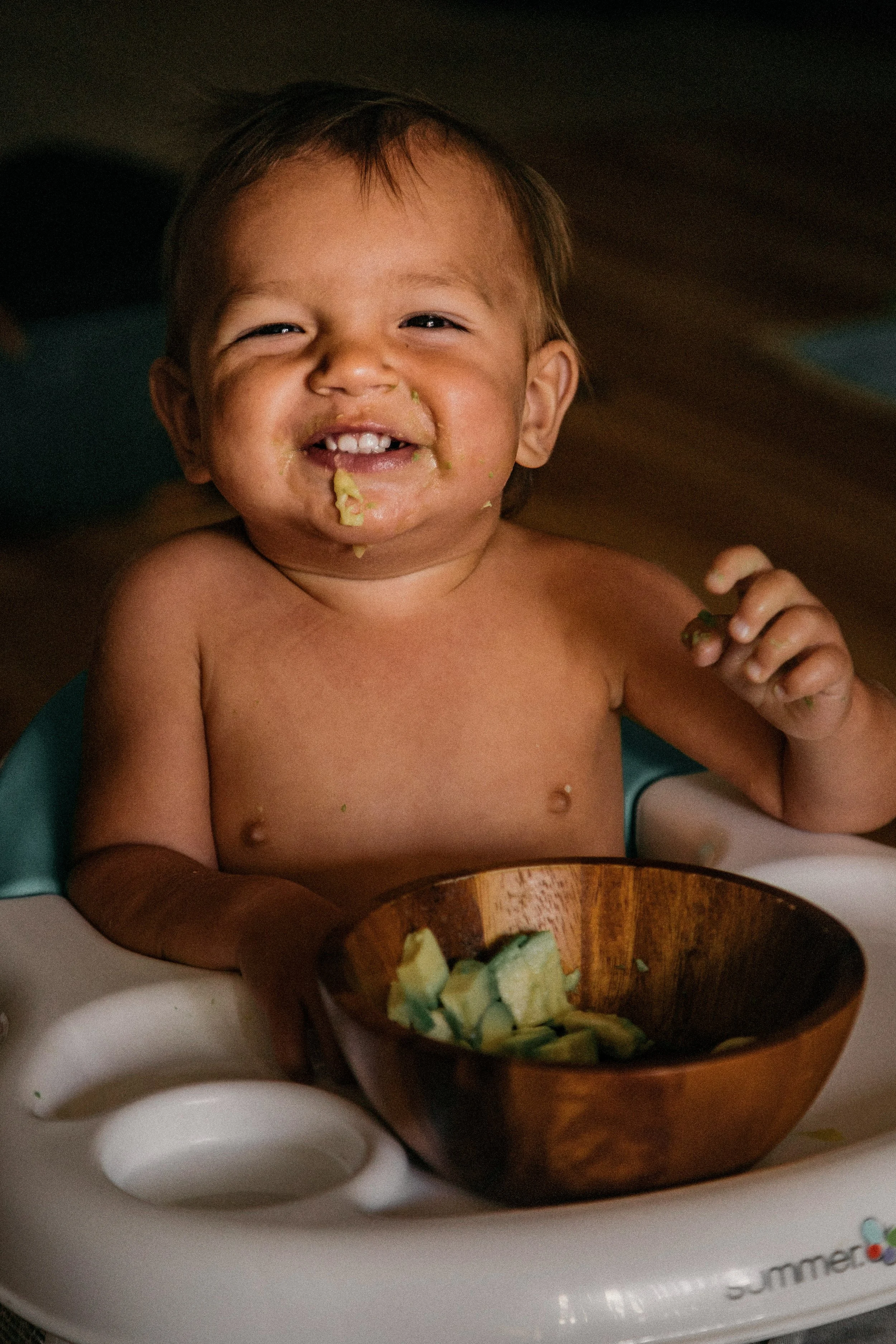
Ancestral First Foods: Building a Foundation for Baby's Gut Health
One of our favorite things is caring for our tiniest patients! While every baby is different, many of the little ones we see come to us with concerns related to gut health.
Supporting a healthy gut microbiome from the very beginning is one of the greatest gifts you can give your baby. A strong foundation can support digestion, immune function, and overall health for years to come.
When Is Baby Ready for Solids?
Most babies are ready to begin exploring solids around 6 months of age. Rather than focusing only on age, look for these signs of readiness:
Sits with minimal support
Has good head and neck control
Can bring objects to their mouth
Shows interest in food
Has largely lost the tongue-thrust reflex, which automatically pushes food back out
At this stage, food is exactly what it sounds like: an introduction! Breast milk or formula will continue to be your baby's primary source of nutrition until around their first birthday.
These early months are an opportunity to explore new tastes and textures while beginning to fill important nutrient needs, especially iron.
A general progression might look like this:
6–7 months: A few tastes or one small meal most days
7–9 months: Gradually increase variety and frequency
9–12 months: Begin working toward more regular meals alongside breast milk or formula
A Quick Safety Note
We recommend learning infant choking rescue and CPR and being prepared for emergencies. The original newsletter also recommends having a choking rescue device, such as LifeVac, in your home or diaper bag.
Being prepared can bring peace of mind, but a choking rescue device is not a substitute for learning infant choking rescue and CPR.
Nutrient-Dense First Foods We Love
Many families choose an ancestral approach to introducing solids by starting with nutrient-dense whole foods rather than processed baby cereals. Here are some of our favorites.
1. Organ Meats
Beef liver
Chicken liver
Beef heart
Chicken hearts
Liver is especially nutrient-dense, providing iron, vitamin A, folate, vitamin B12, and choline.
2. Meat and Animal Protein
Slow-cooked shredded beef
Ground beef patties
Lamb
Dark meat chicken
Turkey
Bison
Venison, if available
Iron stores naturally begin to decline around 6 months, making iron-rich foods especially valuable.
3. Eggs
Soft scrambled eggs
Omelet strips
Hard-boiled egg yolks mashed with a little butter
Eggs are an excellent source of protein, healthy fats, and choline, an important nutrient for brain development.
4. Seafood
Wild salmon
Sardines, prepared safely
Cod
Trout
These foods provide omega-3 fats, iodine, selenium, and high-quality protein.
5. Healthy Fats
Avocado
Grass-fed butter
Ghee
Coconut
Tallow
Healthy fats are incredibly important for a growing baby's brain and overall development.
6. Bone Broth and Collagen-Rich Foods
Slow-cooked meats
Bone broth added to foods
Pot roast
Short ribs
These foods provide collagen, gelatin, and naturally occurring minerals.
7. Dairy, If Your Family Includes It
Full-fat plain yogurt
Kefir
Cottage cheese
Fermented dairy can be a source of beneficial bacteria and healthy fats.
8. Fruits and Vegetables
Sweet potato wedges
Squash
Banana
Pear
Steamed carrots
Avocado
Cooked apples
Fruits and vegetables absolutely have a place in a baby's diet. Many ancestral approaches also prioritize nutrient-dense animal foods because they provide nutrients that can be more difficult to obtain from produce alone.
9. Fermented Foods
Full-fat plain yogurt
Kefir
Small amounts of sauerkraut juice, if desired
Remember, there is no prize for getting through the most foods the fastest. Keep mealtimes relaxed, let your baby explore, and enjoy this exciting new season together.
Those little bites may seem small now, but they're helping build healthy habits and a strong foundation that can last a lifetime.
Start Your Day with Worship

One simple rhythm that can make a meaningful difference in your day is beginning it with God's Word and worship.
We've been enjoying Daily Devo by Shane & Shane and The Worship Initiative, a weekday devotional that weaves together Scripture reading, biblical teaching, prayer, and worship music.
Each episode is designed to help you start your morning with your heart and mind centered on Christ before the busyness of the day begins.
Whether you're in the car, getting ready for work, or enjoying a quiet moment with your coffee, it's an easy way to build a consistent rhythm of spending time with the Lord.
We hope it's an encouragement to you, too!