As spring brings new growth and fresh beginnings, we're sharing simple ways to support your immune system, navigate seasonal allergies, refresh your daily habits, and care for your health with intention.
New Logo & Website

You might have noticed - we have a new website!!
Over the past few months, we’ve been quietly working behind the scenes on a refreshed logo and an updated website for Functional Now. Our heart has always been to create a space that feels welcoming, clear, and aligned with the kind of care we provide, and this new look reflects that vision beautifully.
Our new logo represents Ashley’s vision for growth, renewal, and whole-person wellness at Functional Now. The updated website was designed to be easier to navigate, more informative, and a better reflection of who we are and how we serve.
Whether you’re a long-time patient or just beginning to explore functional medicine, we hope it feels like a helpful and inviting place to land.
We’d love for you to take a look, explore the new space, and share the website with a friend or family member who might benefit from a more root-cause approach to health. Thank you for being part of this community and growing with us.
Consistency Club: Walking
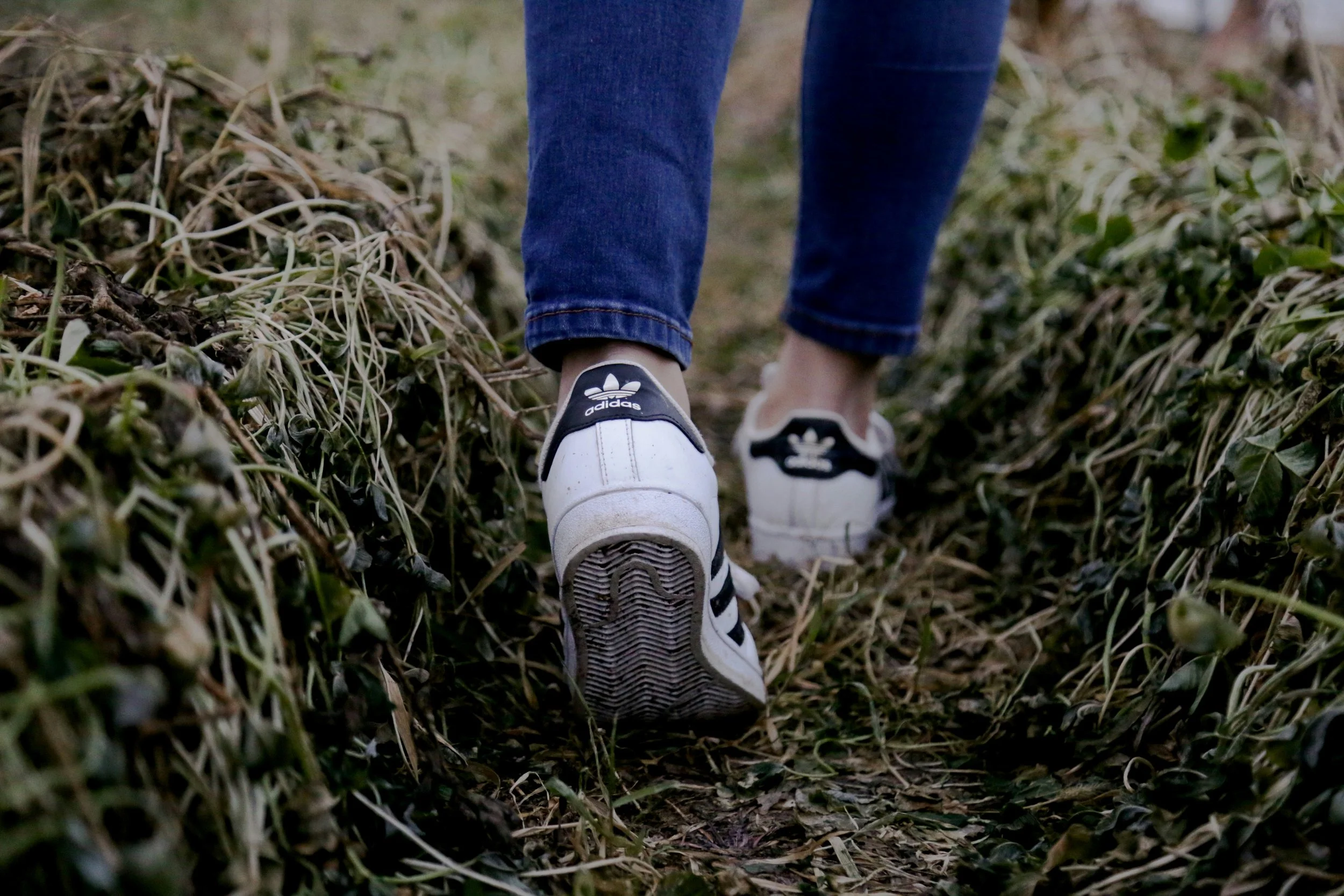
This month, we’re focusing on one of the most evidence-based, sustainable habits for long-term health: daily walking. Consistent, moderate movement supports cardiovascular health, metabolic function, stress regulation, and overall well-being.
We created a simple walking tracker to help you build the habit of taking a 20-minute walk each day, ideally outdoors when possible. Small, steady actions truly add up over time.
Download the walking tracker and join us in prioritizing consistent movement this month.
Daylight Saving Time: Helping Your Body Adjust
The transition to daylight saving time can disrupt your usual sleep schedule and leave you feeling a little off. Here are a few simple ways to help your body adjust more smoothly.
1. Gradually Adjust Your Sleep Schedule
In the days leading up to the time change, try shifting your bedtime and wake time earlier by about 10 to 15 minutes each night. This gradual adjustment can help your body adapt without the shock of a full one-hour change.
2. Keep Your Sleep Schedule Consistent
Even after the time change, try to go to bed and wake up at roughly the same time each day, including weekends. Consistency helps your body adjust more quickly.
3. Limit Caffeine Later in the Day
Caffeine can stay in the body for several hours and may make it harder to fall asleep. Try to limit caffeine intake after early afternoon while your body adjusts.
4. Dim Lights in the Evening
Lower lighting and reduce screen exposure in the hour before bed. This supports natural melatonin production and signals to your body that it is time to wind down.
5. Prioritize a Calming Bedtime Routine
Gentle routines such as reading, stretching, prayer, or quiet reflection can help your body transition into sleep more easily during the adjustment period.
6. Be Patient with the Adjustment
It is normal to feel slightly off for a few days after the time change. Giving your body a few days of consistent sleep, light exposure, and routine usually helps things return to normal.
7. Get Morning Sunlight
Try to spend 10 to 20 minutes outside in natural light shortly after waking. Morning light helps reset your circadian rhythm and signals to your brain that it is time to be alert.
Cold & Flu: Supporting Your Immune System
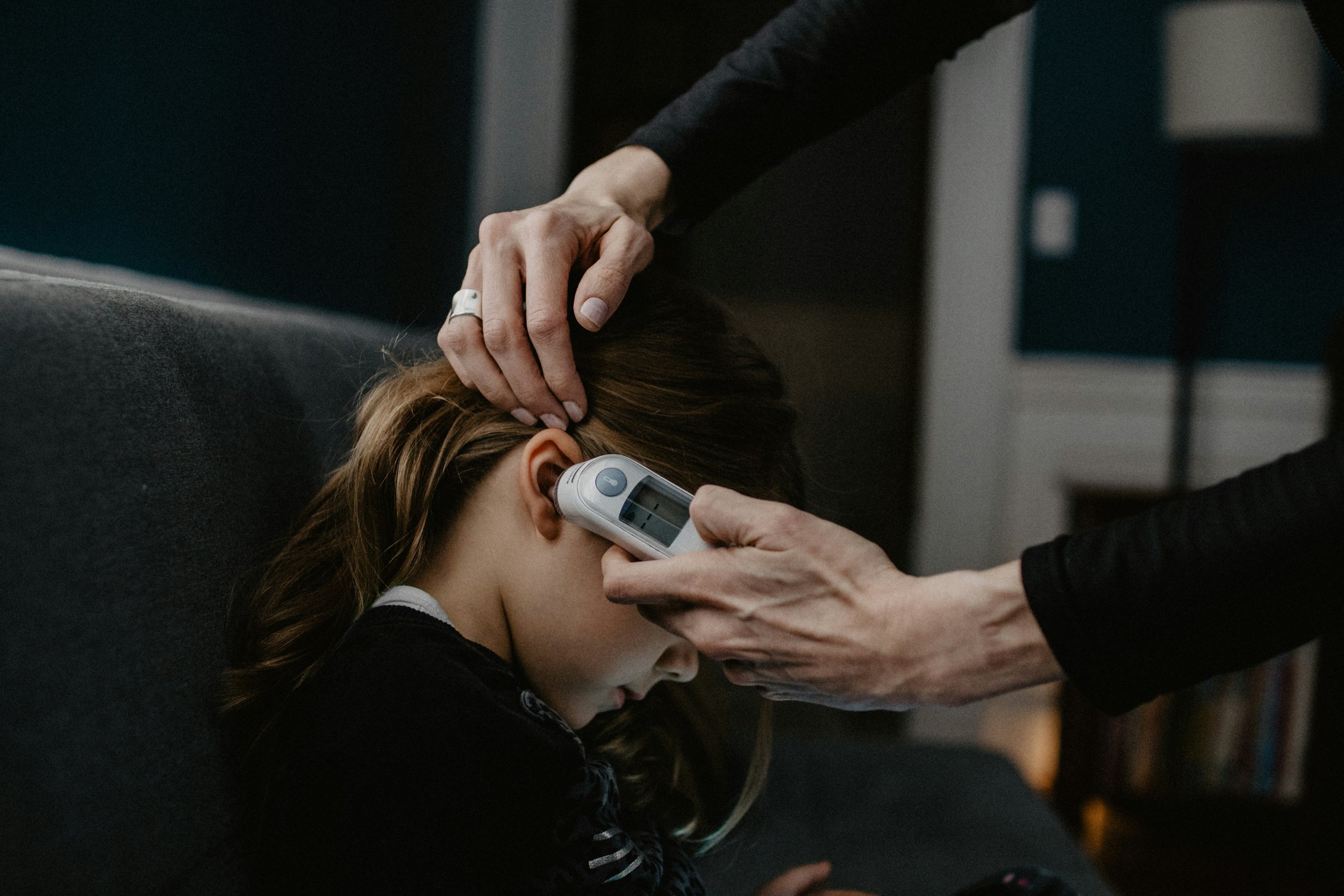
We are still seeing cases of cold and flu. Supporting your immune system with adequate sleep, proper hydration, and balanced nutrition can help reduce your risk of illness.
If symptoms do arise, early support and rest can often help shorten the duration and severity. If you have concerns or lingering symptoms, our team is always here to help guide your care.
Here are a few of our favorite ways to support the immune system during cold and flu season:
Explore these products and discuss appropriate options with your healthcare provider.
Allergy Season: Supporting Your Immune System
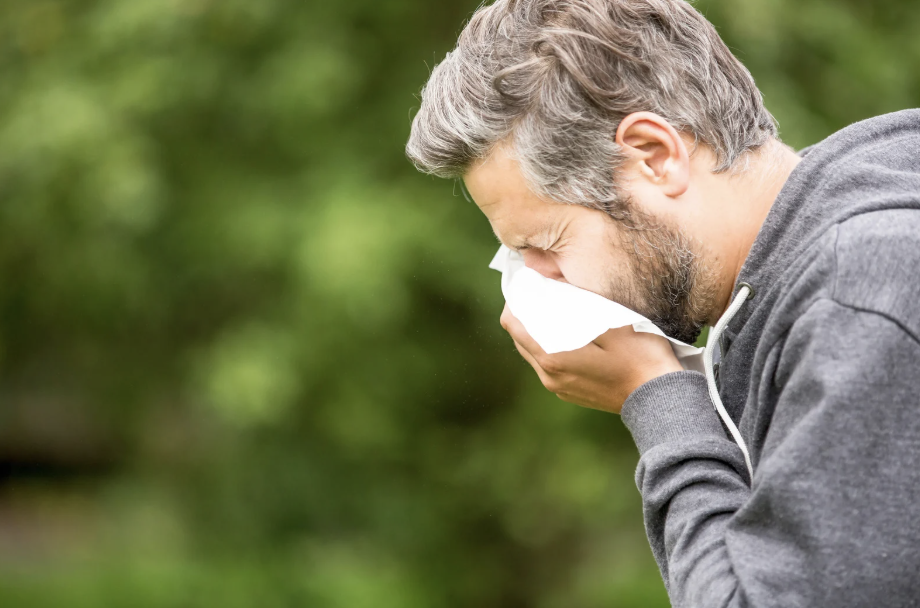
Allergic reactions often indicate that the immune system is actively responding to environmental triggers—sometimes overreacting in the process. While symptoms like congestion, watery eyes, or sneezing can be bothersome, they also signal that the body is working hard to protect itself.
Supporting your immune system during this season involves a multifaceted approach. This includes assessing and addressing underlying inflammation, optimizing gut health, ensuring adequate nutrient intake, and reducing exposure to common environmental irritants in the home, such as dust, mold, and chemical residues.
Small, intentional steps in these areas can help the body respond more effectively, reduce symptom intensity, and promote overall resilience.
Supporting Your Immune System During Allergy Season
1. Reduce Environmental Triggers
Regularly dust and vacuum using a HEPA-filter vacuum.
Wash bedding and soft surfaces weekly.
Check for hidden mold or moisture in bathrooms, kitchens, and basements.
Swap harsh chemical cleaners for gentle, fragrance-free alternatives.
2. Support Gut Health
Include fiber-rich foods like vegetables, fruits, legumes, nuts, and seeds to nourish beneficial gut bacteria.
Consider fermented foods or probiotics if appropriate for your diet.
Stay hydrated to help digestion and immune function.
3. Address Inflammation
Prioritize anti-inflammatory foods such as leafy greens, berries, fatty fish, and nuts.
Limit highly processed foods, excess sugar, and artificial additives that may trigger immune reactions.
4. Check Nutrient Status
Ensure adequate intake of vitamin C, vitamin D, magnesium, and zinc—nutrients that support immune resilience.
Discuss with your provider if your supplement protocol needs updating.
5. Practice Mindful Symptom Tracking
Keep a simple log of symptoms, exposures, and foods to help identify triggers.
Note patterns that may guide lifestyle or dietary adjustments.
Small, consistent steps can help you better understand your body's responses and identify opportunities to support your health throughout allergy season.